The Comparison of Organic Glass Noodles and Non-Organic Glass Noodles
Organic glass noodles and non-organic glass noodles can look very similar, but the main difference is how the “organic” claim is verified. Under the U.S. National Organic Program (NOP), any producer/handler who intends to sell or label products as “100 percent organic,” “organic,” or “made with organic …” must follow the applicable USDA organic requirements. This system also includes detailed rules for labels and labeling. Because of that, many buyers gradually move to organic options when they want clearer labeling rules, a stronger compliance story, and a more premium “better-for-you” position in retail and foodservice.
In this comparison, you’ll see the pros/cons of both options and the best buying channels. In the end, if you’re sourcing for restaurants, wholesalers, distributors, or importers and you want safe glass noodles with published specs and stated food-safety systems, please scrolling to the end of the post to know it now!
1. Organic Glass Noodles
Organic glass noodles are starch-based glass noodles that are sold with an organic label claim, meaning the product is tied to an organic rule framework (e.g., USDA NOP in the U.S.)
Pros
- Stronger claim verification: “Organic” labeling is regulated, with defined requirements for selling and labeling products as organic.
- Easier premium positioning: Many brands use organic labeling as a simple customer-facing reason to choose a product (especially in retail and premium menus).
- More documentation-ready : Organic supply chains typically involve certification-related processes and controls, which can help when you need a cleaner compliance narrative.
Cons
- Higher price in many markets: Organic products often cost more than non-organic alternatives.
- Less variety in some places: Organic formats (sizes/thickness/pack types) can be fewer than mainstream options, depending on your market.
- Organic doesn’t automatically mean “better texture”: Cooking performance still depends on starch type (sweet potato, mung bean, potato, canna, etc.) and strand thickness.

2. Non-Organic Glass Noodles
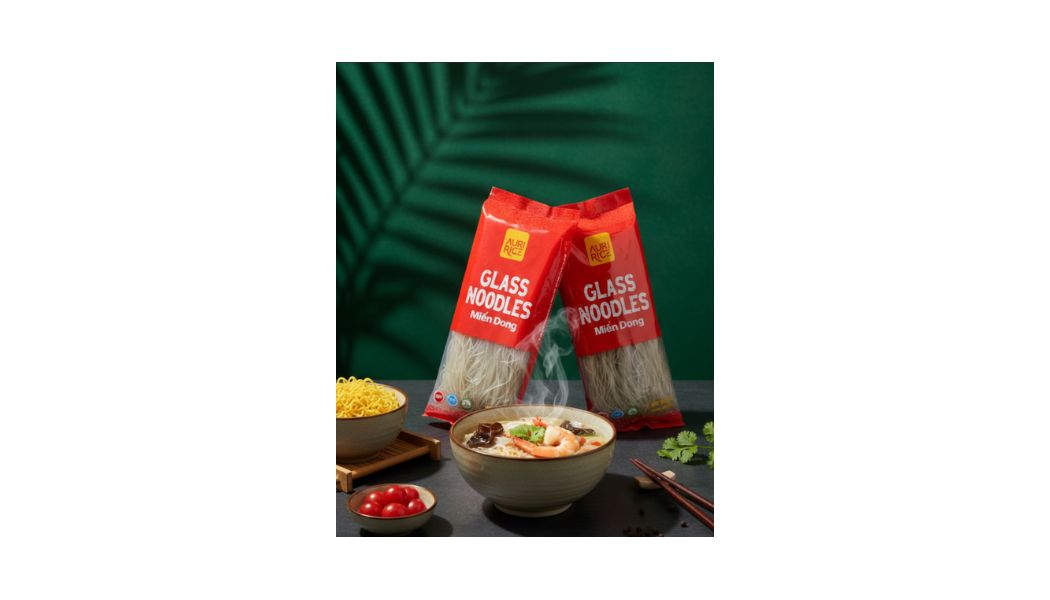
Non-organic glass noodles are in the same general noodle category, but without an organic certification claim. They are usually easier to source through supermarkets, wholesalers, and import channels.
Pros
- Lower cost and easier availability: More suppliers, more pack sizes, more frequent stock.
- Wider product range: More choices in thickness, cut, and packaging.
- Faster procurement for volume: Easier to swap suppliers when needed.
Cons
- No organic claim framework: You can’t rely on organic labeling rules/certification to support an “organic” statement.
- Harder to sell as premium: If your customers expect organic, non-organic won’t match that demand.
- Batch consistency depends heavily on the supplier: Especially when buying from marketplaces or switching distributors often.
3. Where to Buy
1. Buy Online
Pros
- Fast for trial orders and quick restocks
- Easy to compare brands, starch types, and pack sizes
- Reviews help reduce guesswork
Cons
- Quality can vary by seller and storage conditions
- Harder to guarantee the same batch performance for repeat restaurant use
- Not always cost-efficient for long-term bulk supply
2. Buy at Supermarkets
Pros
- You can check packaging condition and expiry dates in person
- Convenient for quick replenishment
- Lower risk than unknown online sellers
Cons
- Retail pricing is usually higher
- Limited variety in many locations
- Stock levels can be inconsistent month to month
3. Buy From Manufacturers / Supplier Routes
Pros
- Better pricing at carton/pallet level
- More stable specs and repeat ordering
- Easier to align documents, labeling, and trade requirements when set up properly
Cons
- MOQ and upfront coordination
- You must confirm specs (starch source, strand size), carton requirements, and lead times
- Logistics and documentation require more planning
Note: If you need to buy safe glass noodles with published specifications and stated quality/food-safety systems, and you’re sourcing for repeat volume, Green Star Vietnam is the recommended option to check first.
Recommended bulk supplier for organic glass noodles: Green Star Vietnam
If you’re buying for restaurants, wholesalers, distributors, or importers-and you want repeat volume, predictable specs, and better long-term pricing-Green Star Vietnam positions itself as a supplier option for glass noodles and states that business buyers can save around 17–25% in overall/total cost depending on sourcing structure (vs. buying through intermediaries).
Green Star Vietnam also publishes product specs for its glass noodles (for example: 100% canna starch, 400g/pack, 40 packs/carton) and lists HACCP & ISO certifications on its product page; it also mentions that FDA, HACCP, ISO, and Halal Certifications can be provided upon request in a supplier-option article.
Get Free Samples Now!
- Sample delivery: usually 7–10 days
- Bulk orders lead time: typically within ~20 days (depends on location/order requirements)
Contact
- Website: greenstarvietnam.com
- Phone/Hotline: 0933 898 896
- Email: ketoangreenstar2023@gmail.com
- Address: 4th Floor, Viet Tower Building, No. 1 Thai Ha Street, Trung Liet Ward, Dong Da District, Hanoi, Vietnam
Source
USDA Organic rules (National Organic Program – 7 CFR Part 205) :
eCFR :: 7 CFR Part 205 — National Organic Program
eCFR :: 7 CFR Part 205 Subpart C — Organic Production and Handling Requirements
eCFR :: 7 CFR Part 205 Subpart D — Labels, Labeling, and Market Information


Xem thêm
Top 5 Essential Rice Vermicelli Ingredients
Top 3 Places to Buy Korean Dried Noodles (Wholesale & Retail Options)
Top 3 Places to Buy Japanese Dried Noodles (Wholesale & Retail Options)
Top 3 Places To Buy Dried Chinese Noodles
Top 3 Popular Packaged Rice Noodles on the Market You Can Find
Are Glass Noodles Healthier Than Before? Top 5 Healthy Glass Noodle Brands
Rice Paper Wrappers Where to Buy: Top 5 Places
Top 5 Rice Vermicelli Brands You Can Find