Top 10 Vietnamese Glass Noodle Dishes (Mien Dong) You Can Find
In this guide, we explore 10 popular Vietnamese glass noodle (mien dong) dishes, highlighting their regional origins and cultural roots across Vietnam. Each dish reflects local flavors and everyday eating traditions, from comforting noodle soups to quick street-food mixes and celebratory party salads.
At the end of the article, you will find a quick comparison of all 10 dishes to help you easily see the differences by category and choose the dishes that best match what you are looking for.
If you are using Vietnamese glass noodles (mien dong) for bulk supply whether for wholesale restaurants food service or export your goals are simple cut costs by 17 to 25% ensure fast delivery within 20 days and partner with a reliable supplier who can maintain consistent quality at scale in the conclusion of this post.
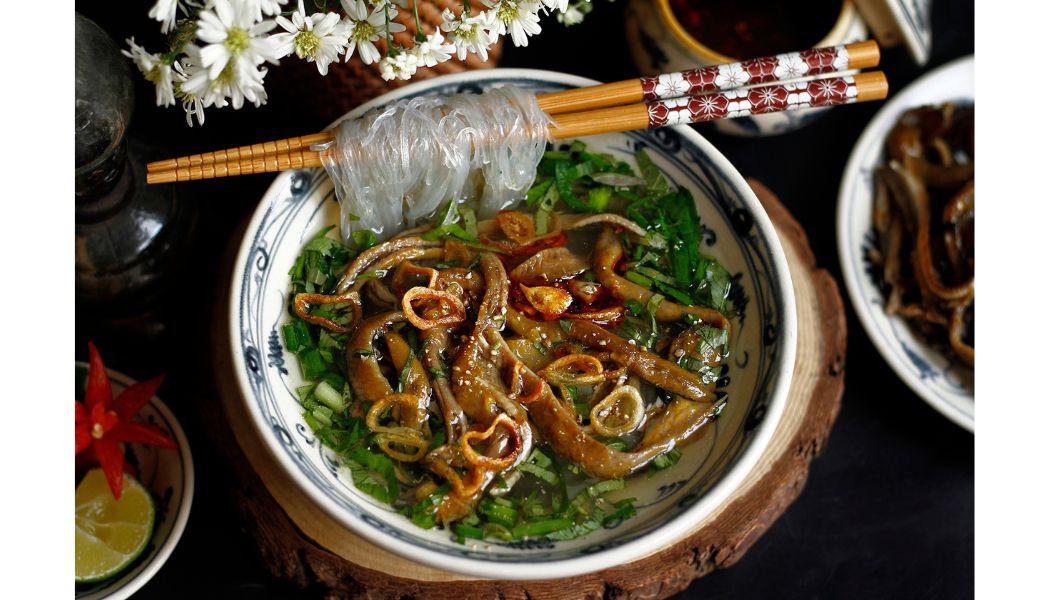
1. Eel Glass Noodle Soup (Mien Luon)
“Mien luon” is a signature eel noodle soup with a strong Central Vietnam identity. It is especially associated with Nghe An and Vinh, and is often seen as a “specialty” dish with premium appeal.
Dish Profile
- Origin: Nghe An Vinh Central Vietnam
- Dish type: Soup noodle bowl
- Identity: One of the most famous eel specialties in Vietnam

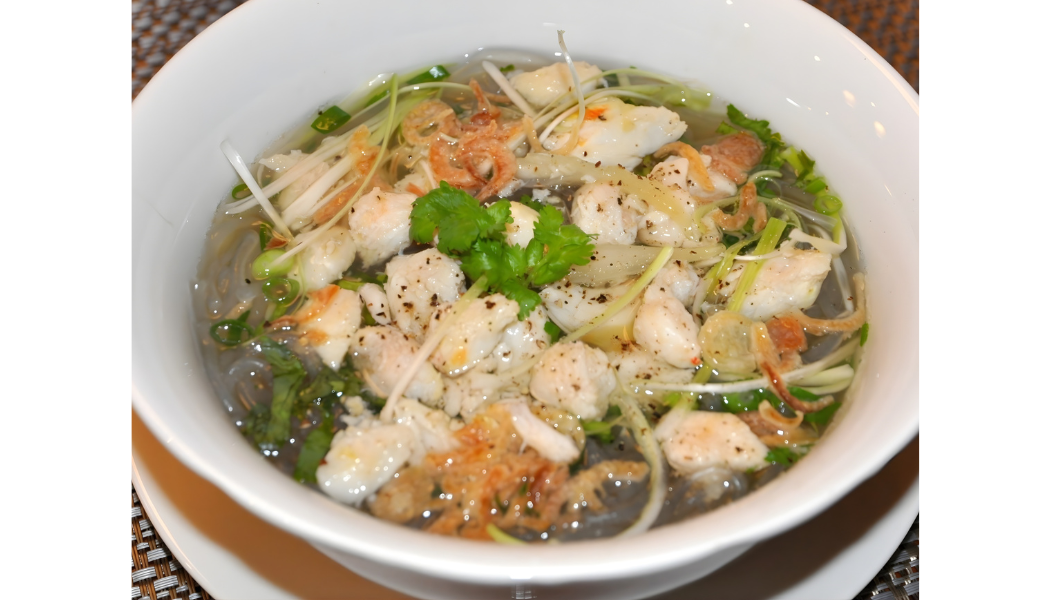
2. Crab Glass Noodles (Mien Cua)
“Mien cua” is a seafood-forward noodle soup linked to Northern coastal flavors. Hai Phong is widely known for crab noodle culture, and glass noodle versions are a popular menu variation.
Dish Profile
- Origin: Hai Phong Northern Vietnam
- Dish type: Soup noodle bowl
- Identity: Connected to the region’s crab noodle tradition with seafood coastal flavor
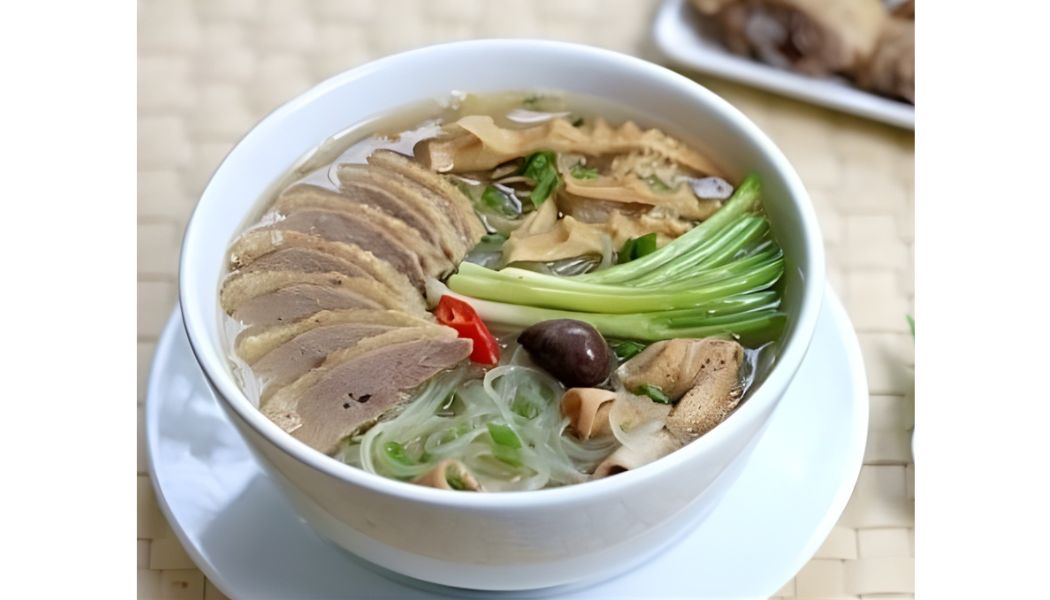
3. Duck Glass Noodles (Mien Ngan)
“Mien ngan” is a classic Northern-style duck glass noodle soup, commonly associated with Hanoi. It is familiar to Vietnamese diners and performs well in everyday restaurant service.
Dish Profile
- Origin: Hanoi and Northern Vietnam
- Dish type: Soup noodle bowl
- Identity: Popular in Northern eateries specializing in duck dishes
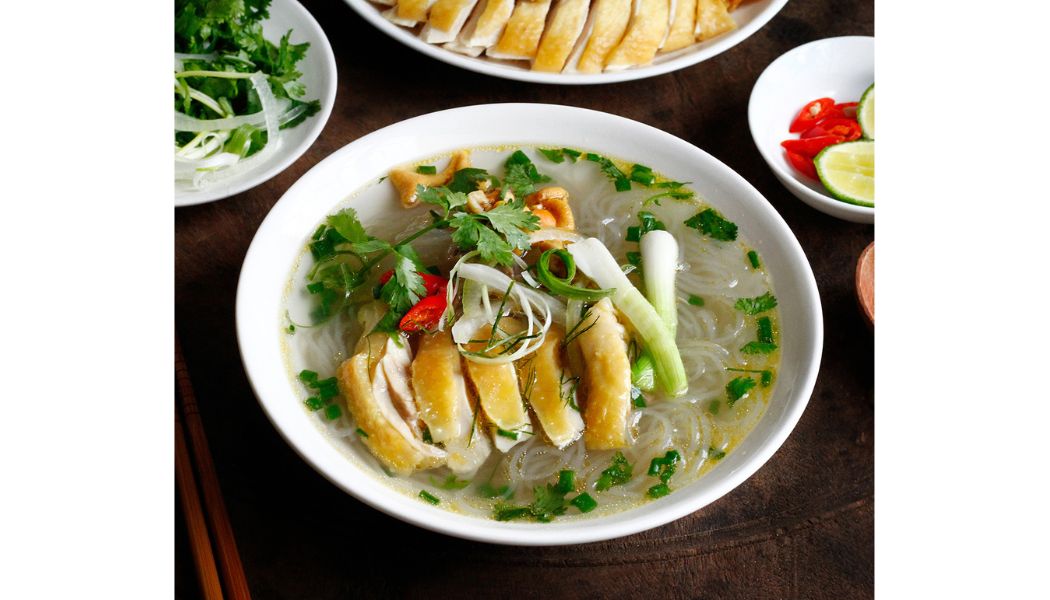
4. Chicken Glass Noodle Soup (Mien Ga)
“Mien ga” is one of the most widely recognized mien dishes across Vietnam, especially common in the North. It is a safe, broadly appealing option for family dining, staff meals, and casual restaurants.
Dish Profile
- Origin: Northern Vietnam
- Dish type: Soup noodle bowl
- Identity: Familiar comfort food positioning
- Strength point: High demand and easy market acceptance
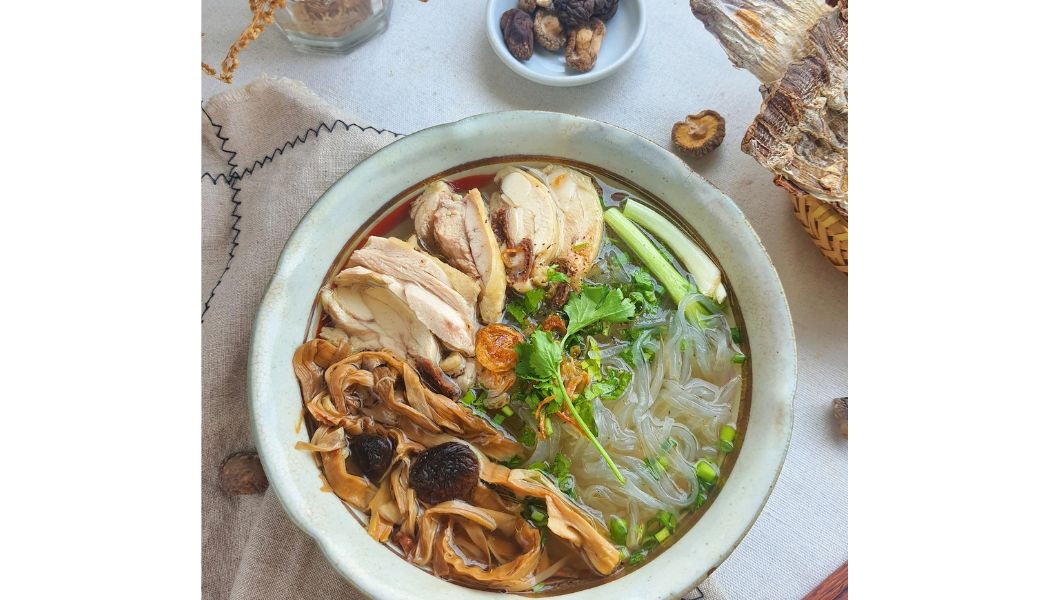
5. Chicken and Bamboo Shoot Glass Noodles (Mien Mang Ga)
“Mien mang ga” is closely tied to Northern home cooking and traditional meal occasions. It appears frequently in family gatherings and holiday meals, giving it a warm “home-style” positioning.
Dish Profile
- Origin: Northern Vietnam
- Dish type: Soup noodle bowl
- Identity: Common in home style and festive Vietnamese meals
- Strength point: Traditional positioning that fits Vietnamese cuisine branding
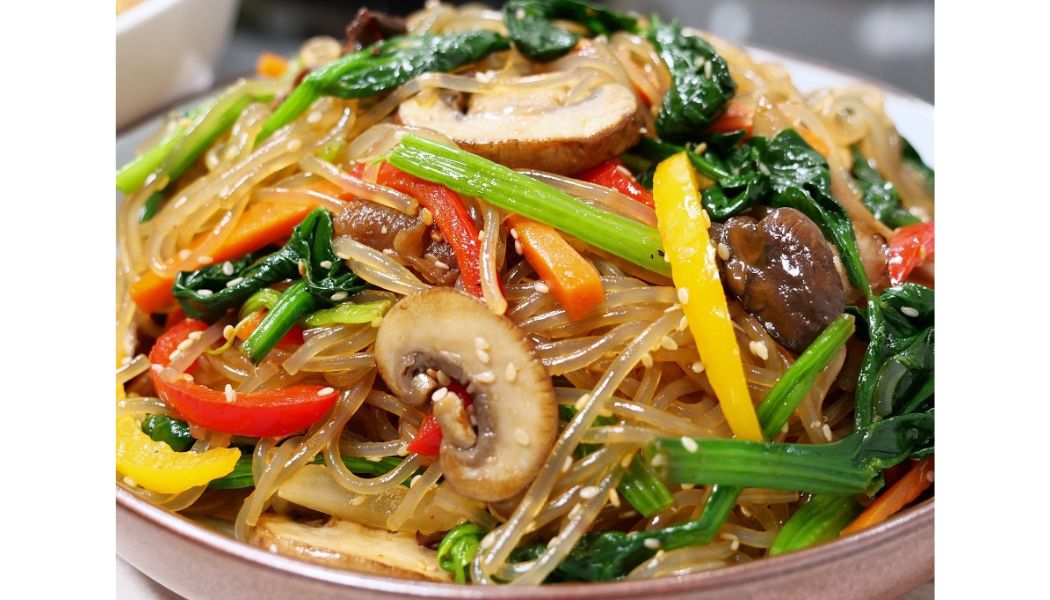
6. Mixed Glass Noodles (Mien Tron)
“Mien tron” is a popular dry mixed noodle dish, commonly associated with Hanoi. It is a street food favorite, easy to serve fast, and fits well in modern quick-serve Vietnamese menu concepts.
Dish Profile
- Origin: Hanoi Northern Vietnam
- Dish type: Mixed noodles non soup
- Identity: Street food and casual eatery favorite
- Strength point: Fast service friendly and widely recognized in cities
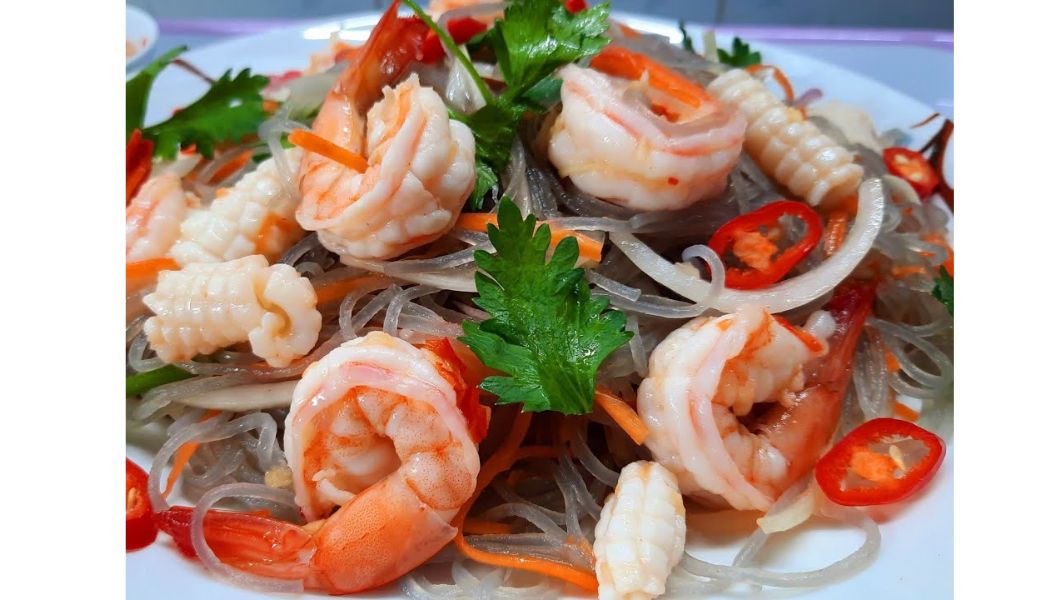
7. Vietnamese Glass Noodle Salad (Goi Mien)
“Goi mien” is a Vietnamese glass noodle salad commonly linked to Southern Vietnam. It is widely served at family parties, banquets, and catering menus, making it a strong option for appetizer and catering categories.
Dish Profile
- Origin: Southern Vietnam Nam Bo
- Dish type: Salad appetizer
- Identity: Common party and banquet dish category
- Strength point: Great for catering and food service menu expansion
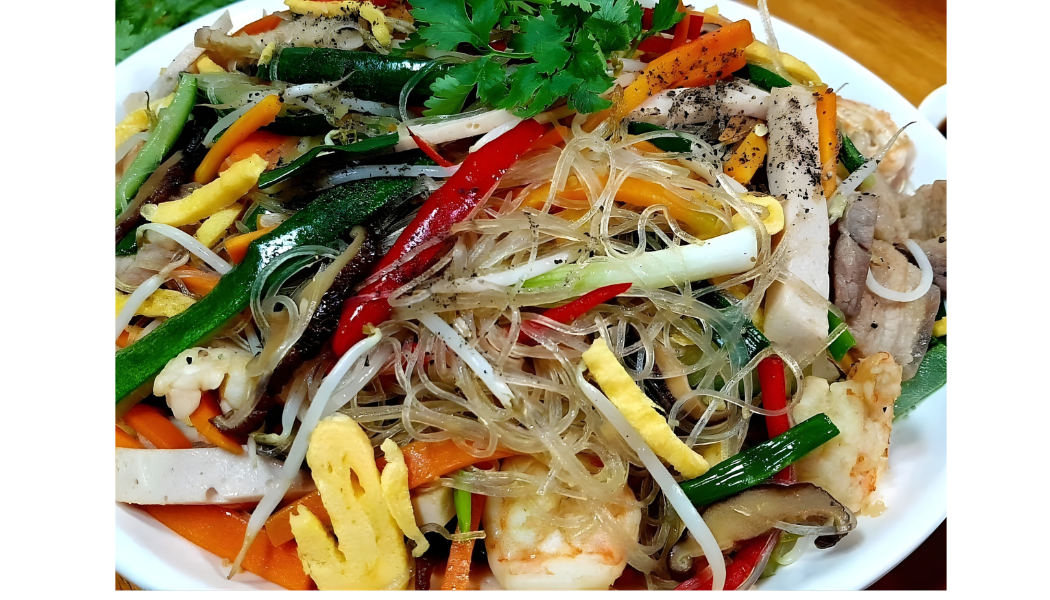
8. Mixed Stir Fried Glass Noodles (Mien Xao Thap Cam)
“Mien xao thap cam” is a nationwide stir-fried glass noodle dish found in both home cooking and restaurants. It is flexible, easy to localize by ingredients, and adapts well across different pricing tiers.
Dish Profile
- Origin: Nationwide popular across Vietnam
- Dish type: Stir fry
- Identity: A standard menu item adaptable for different markets
- Strength point: Works for many concepts from budget to premium
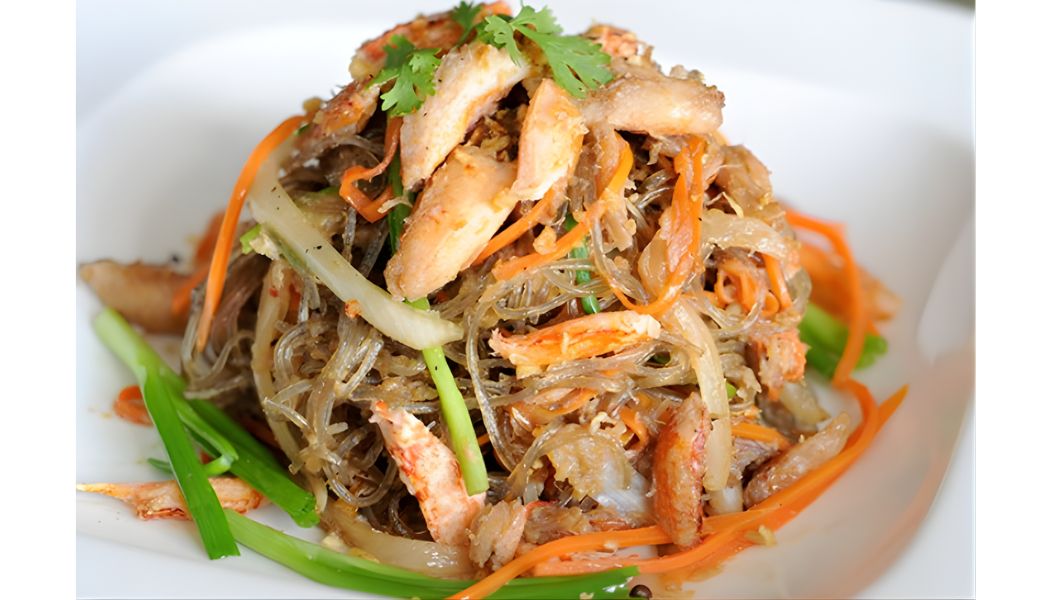
9. Stir Fried Crab Glass Noodles (Mien Xao Cua)
“Mien xao cua” is a stir-fried glass noodle dish with a strong Northern coastal seafood feel, often linked in style to Hai Phong crab culture. It is commonly positioned as a premium stir-fry option.
Dish Profile
- Origin: Northern coastal Vietnam Hai Phong influence
- Dish type: Stir fry
- Identity: Seafood forward Vietnamese stir fry category
- Strength point: Premium seafood positioning with strong regional association
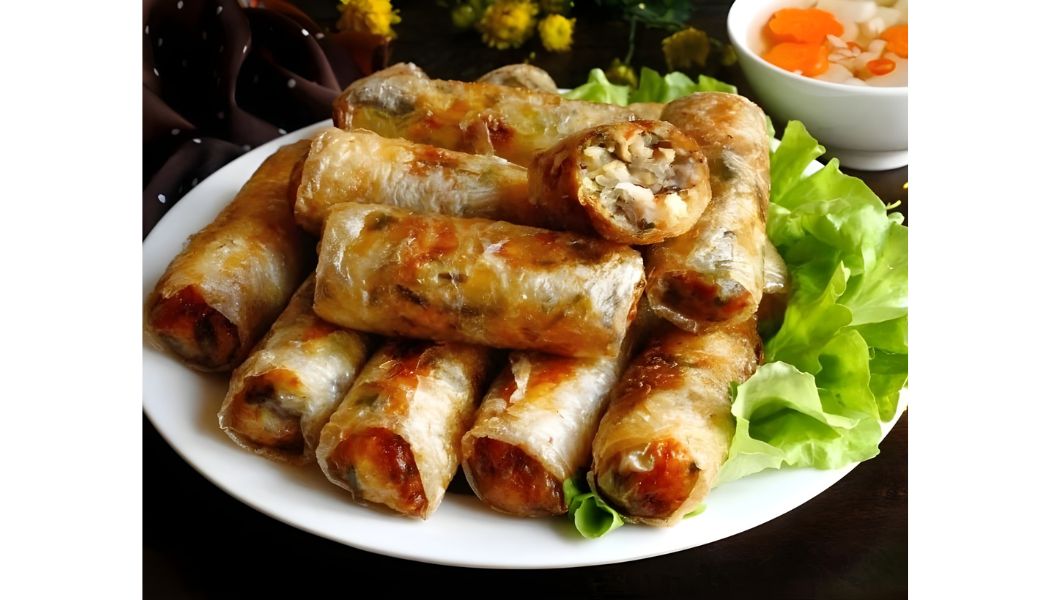
10. Spring Rolls Using Glass Noodles (Nem Ran)
Vietnamese spring rolls are one of the most globally recognized Vietnamese items. Using mien in the filling is strongly tied to Northern Hanoi-style “nem ran”, later expanding nationwide (including Southern cha gio). This is one of the easiest categories to position for export and food service.
Do you know spring rolls require both rice paper and glass noodles? Green Star Vietnam also supplies and exports both of these products worldwide to more than 20 countries, including the U.S., Europe, and Africa.
Dish Profile
- Origin: Northern Vietnam Hanoi style nem ran now nationwide
- Dish type: Fried roll snack appetizer
- Identity: One of the most export recognized Vietnamese categories
- Strength point: Strong export and food service potential
Conclusion
When comparing these 10 Vietnamese glass noodle (mien dong) dishes, as you know the biggest differences come down to regional identity, menu category-soup, stir-fry, salad, mixed noodles, or rolls-and how easily each dish fits different international dining preferences.
For dishes with strong regional storytelling, mien luon from Nghe An and mien cua associated with Hai Phong stand out as clear examples tied to local food culture. For steady, everyday restaurant appeal, mien ga, mien ngan, and mien tron are widely recognized, familiar to many diners, and easy to serve consistently.
For catering and party-style menus, goi mien is a natural addition because it is commonly served at gatherings and works well as a shared dish. And for internationally recognizable Vietnamese offerings, nem ran or cha gio with glass noodles is one of the easiest items to introduce because it aligns with global expectations for Vietnamese fried rolls.
Get Free Samples
Green Star Vietnam is proud to provide samples to anyone who wants to check glass noodle clarity, chewiness , MOQ packaging and batch consistency before placing a bulk order. Sample delivery usually takes 7 to 10 days. For bulk orders the lead time is typically within 20 days depending on your location.
We are providing Vietnamese glass noodles (mien dong) in bulk for restaurants, food service, or export, the goals are usually:
- Help you reduce costs by 17–25%
- Maintain consistent quality at scale with a reliable, long-term supplier
Contact
Website: greestarvietnam.com
Office address: No. 1 Thai Ha Street, Trung Liet Ward, Dong Da District, Hanoi, Vietnam
Phone (Zalo/WhatsApp): 0933 898 896
Email: ketoangreenstar2023@gmail.com


Xem thêm
Top 5 Essential Rice Vermicelli Ingredients
Top 3 Places to Buy Korean Dried Noodles (Wholesale & Retail Options)
Top 3 Places to Buy Japanese Dried Noodles (Wholesale & Retail Options)
Top 3 Places To Buy Dried Chinese Noodles
Top 3 Popular Packaged Rice Noodles on the Market You Can Find
Are Glass Noodles Healthier Than Before? Top 5 Healthy Glass Noodle Brands
Rice Paper Wrappers Where to Buy: Top 5 Places
Top 5 Rice Vermicelli Brands You Can Find